

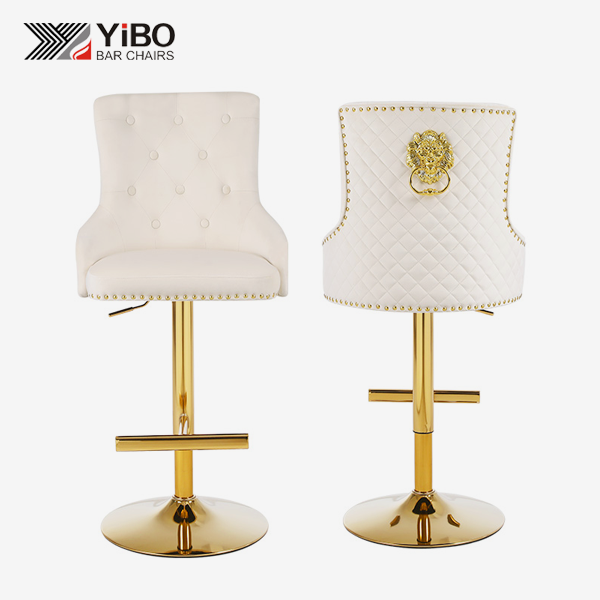
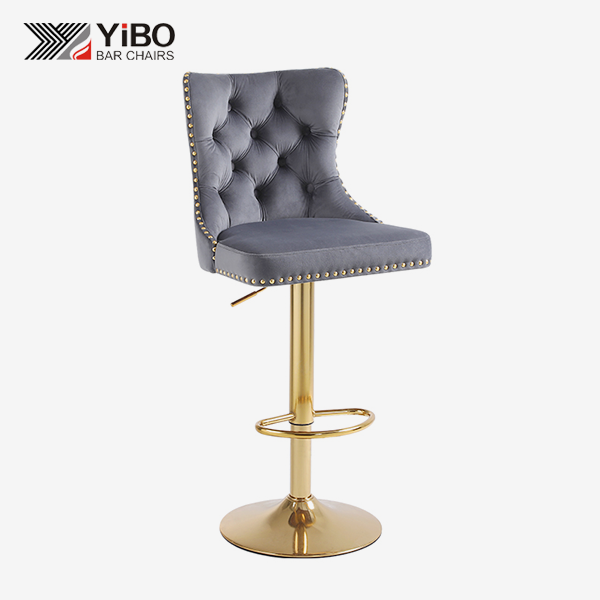
 (1)_1777442575043.jpg)
What is the most comfortable bar stool counter height?
Picture this scenario that happens every day in countless homes: you finally invest in beautiful new counter height bar stools for your kitchen island, excited to create that perfect breakfast nook or entertaining space you've been dreaming about. But within minutes of sitting down, you realize something is terribly wrong. Your knees keep bumping against the underside of the counter, or worse, your feet dangle uncomfortably while you strain to reach your coffee cup. The most comfortable bar stool counter height for standard kitchen counters is between 24 to 26 inches from floor to seat, allowing for the crucial 10 to 12 inches of clearance between your seat and the counter surface. This ensures your counter height bar stools provide optimal leg positioning, comfortable arm placement, and proper ergonomic support for extended sitting periods without awkward posture or physical strain. Understanding the correct counter height bar stools dimensions transforms your seating from merely functional to genuinely comfortable. Whether you're furnishing a commercial restaurant, upgrading your home kitchen island, or creating a cozy breakfast bar area, selecting counter height bar stools adjustable options or fixed-height models with proper measurements makes all the difference between a space people avoid and one where they naturally gather. This comprehensive guide explores everything you need to know about achieving perfect comfort with your counter height bar stools, from precise measurements to ergonomic considerations that professional designers and manufacturers prioritize.
Understanding Counter Height Bar Stools Standards and Measurements
The foundation of comfortable seating begins with understanding industry standards for counter height bar stools dimensions. Standard kitchen counters and islands typically measure 36 inches in height from floor to countertop surface, which has become the universal benchmark in residential and commercial design. To achieve optimal comfort with these standard counters, counter height bar stools should feature seat heights ranging from 24 to 26 inches, providing that essential 10 to 12 inches of clearance space between the seat and counter bottom. This specific measurement range isn't arbitrary but based on extensive ergonomic research studying how the human body naturally positions itself during seated activities like dining, working, or casual conversation. When selecting counter height bar stools adjustable models, you gain valuable flexibility for accommodating varying counter heights or different user preferences within the same household or commercial establishment. Quality adjustable mechanisms typically offer height ranges from approximately 22 inches up to 30 inches, allowing seamless transitions between counter and bar height applications. The adjustment feature proves particularly valuable in modern open-concept spaces where counter height bar stools might serve multiple purposes throughout the day, from morning breakfast seating to afternoon workspace to evening entertainment. Professional-grade counter height bar stools adjustable options, like those manufactured by Anji Yibo Furniture with their 33 to 41 inch total height range, incorporate heavy-duty chrome-plated steel bases and pneumatic lift mechanisms rated for thousands of adjustment cycles without performance degradation.
The relationship between counter surface height and stool seat height directly impacts user comfort during extended sitting sessions. When counter height bar stools provide proper clearance, users can maintain neutral spine alignment with shoulders relaxed and arms forming natural angles when resting on the counter surface. Insufficient clearance forces users to hunch shoulders and round their backs, leading to muscle fatigue and discomfort within minutes. Conversely, excessive clearance leaves users perched too low, requiring awkward reaching motions that strain shoulder and neck muscles. The 10 to 12 inch clearance standard allows thighs to rest parallel to the floor or at a slight downward angle, knees to bend at comfortable 90-degree angles, and feet to rest naturally on footrests positioned 9 to 12 inches from the floor. These ergonomic principles apply equally to residential kitchens and commercial environments where patrons might occupy counter height bar stools for extended dining or drinking sessions.
-
Measuring Your Space for Perfect Counter Height Bar Stools Fit
Accurate measurement represents the critical first step before purchasing any counter height bar stools for your space. Begin by measuring from your floor surface directly to the underside of your counter or table overhang, not the top surface. This measurement reveals your actual clearance dimension. From this measurement, subtract the desired 10 to 12 inches of leg clearance to calculate your ideal counter height bar stools seat height. For example, if your counter measures 36 inches tall with a 1.5-inch thick countertop, your clearance space measures 34.5 inches from floor to counter bottom. Subtracting 11 inches of optimal clearance yields an ideal seat height of 23.5 inches, meaning counter height bar stools with 24-inch seat heights would work perfectly for your application. Don't forget to account for cushion compression when evaluating counter height bar stools adjustable or fixed models with padded seats. Thick foam cushions compress under body weight, effectively reducing seat height by half an inch to a full inch depending on foam density and cushion thickness. High-quality counter height bar stools from manufacturers like Anji Yibo utilize high-density foam that maintains consistent support while minimizing compression over time. When measuring existing counter height bar stools that feel uncomfortable, check whether accumulated cushion compression has altered the effective seat height from the original specifications. This consideration becomes especially important in commercial applications where counter height bar stools experience heavy daily use and foam compression accelerates compared to residential settings.
Space planning extends beyond vertical measurements to horizontal considerations that affect overall comfort and functionality. Calculate how many counter height bar stools will fit comfortably along your counter by measuring the total length and dividing by the recommended spacing guidelines. For standard counter height bar stools with seat widths between 16 to 18 inches, allow minimum 24 inches of total space per stool, which includes the seat width plus approximately 6 inches of clearance on each side. Wider counter height bar stools measuring 19 to 22 inches across require 27 to 30 inches of total space allocation. Counter height bar stools adjustable models with swivel functions need slightly more spacing, approximately 8 to 11 inches of clearance between each stool, allowing users to rotate without colliding with adjacent seating. These spacing standards ensure comfortable elbow room during dining and easy ingress and egress without disturbing neighboring guests.

Key Comfort Features in Quality Counter Height Bar Stools
Ergonomic design elements distinguish exceptional counter height bar stools from basic utilitarian seating options. The most comfortable counter height bar stools incorporate contoured seat designs that follow natural body curves rather than flat surfaces that create pressure points. Saddle-style seats, featuring gentle center depressions and raised edges, promote what ergonomics experts call "declined seating" where hips position slightly higher than knees. This subtle angle reduces spinal compression and encourages better posture compared to traditional flat seats. Quality counter height bar stools from specialized manufacturers integrate these ergonomic principles into their core designs, using precision molds and carefully calculated dimensions based on anthropometric data studying diverse body types and sizes. Back support dramatically enhances comfort for extended sitting periods on counter height bar stools. Full backrests supporting the entire lumbar region prove most comfortable for dining, working, or lengthy conversations, though they require more space and may not tuck completely under counter overhangs. Mid-back designs offering lumbar support without full shoulder coverage balance comfort with space efficiency for counter height bar stools in compact kitchens. Backless counter height bar stools maximize space efficiency and visual openness but suit only brief sitting sessions since they provide no spinal support. When evaluating counter height bar stools adjustable options with backs, ensure the backrest height and angle remain comfortable throughout the adjustment range rather than optimal at only one position. Premium counter height bar stools feature synchronized adjustment mechanisms maintaining proper back support angles as seat height changes.
Footrests represent another crucial comfort component often underestimated in counter height bar stools selection. Properly positioned footrests reduce pressure on leg muscles and improve circulation during extended sitting by allowing users to shift weight distribution between seat and footrest. The ideal footrest position for counter height bar stools places the support ring or bar 9 to 12 inches above the floor, enabling feet to rest flat with knees bent at comfortable angles. Circular footrest rings provide 360-degree foot placement options for counter height bar stools with swivel functions, while fixed footrest bars work well for stationary designs. Heavy-duty chrome-plated steel footrests, like those on Anji Yibo's counter height bar stools adjustable models, combine durability with comfort and easy maintenance in both residential and commercial applications.
-
Material Selection Impact on Counter Height Bar Stools Comfort
Upholstery materials significantly influence both immediate comfort and long-term satisfaction with counter height bar stools. Genuine leather upholstery offers luxurious feel, excellent durability, and develops attractive patina over years of use, making it popular for high-end counter height bar stools in upscale restaurants and executive homes. However, leather requires regular conditioning and can feel cold initially or sticky in hot weather. High-quality synthetic leather alternatives used in commercial counter height bar stools provide similar aesthetics with enhanced stain resistance and easier maintenance at lower price points. Fabric upholstery, including premium options like velvet or performance textiles, delivers soft comfort and breathability for counter height bar stools in climate-controlled environments. Anji Yibo offers various fabric options including specialized commercial-grade materials that resist stains, fading, and wear while maintaining comfort through thousands of sitting cycles.
Foam density and composition directly affect how counter height bar stools feel during use and how well they maintain comfort over time. High-density foam rated at 35 pounds per cubic foot or higher provides firm initial support that resists compression and maintains consistent height through years of daily use. Lower-density foams feel initially softer but compress rapidly, causing counter height bar stools to lose effective seat height and develop uncomfortable depressions under high-use areas. Quality manufacturers like Anji Yibo specify exact foam specifications and often layer different density foams, using firmer support foam as the base topped with softer comfort foam creating the ideal balance of support and cushioning for their counter height bar stools adjustable and fixed models. Frame materials establish the stability, durability, and weight capacity of counter height bar stools. Heavy-duty steel frames with powder-coated or chrome-plated finishes provide exceptional strength for commercial applications while maintaining sleek contemporary aesthetics. Steel-framed counter height bar stools typically support 300 to 350 pounds per seat, making them suitable for diverse user populations. Solid wood frames offer warmth and traditional appeal for counter height bar stools in farmhouse or rustic design schemes, though weight capacities may be lower than steel options. Aluminum frames provide lightweight portability for counter height bar stools that need frequent repositioning while still offering respectable strength and modern styling. When evaluating counter height bar stools adjustable models, examine the base diameter and construction, as wider, heavier bases provide superior stability during swiveling and height adjustment operations.
Counter Height Bar Stools Adjustable: Versatility and Advantages
Counter height bar stools adjustable models solve multiple challenges simultaneously, making them increasingly popular in both residential and commercial applications. The primary advantage lies in their ability to accommodate varying counter heights within a single space or adapt to different users' preferences and physical needs. In homes with both standard 36-inch counters and taller 40 to 42-inch bar areas, counter height bar stools adjustable designs eliminate the need to purchase and store multiple stool sets. The adjustment mechanism, typically a pneumatic gas lift cylinder controlled by a lever beneath the seat, allows quick height changes without tools or complicated procedures. Quality counter height bar stools adjustable options from manufacturers like Anji Yibo feature smooth, reliable adjustment mechanisms rated for 50,000 to 100,000 cycles, ensuring years of trouble-free operation even in busy commercial environments. The versatility of counter height bar stools adjustable extends beyond accommodating different surface heights to addressing diverse user needs. Taller individuals often appreciate the ability to raise seat heights slightly above standard recommendations, gaining better leg positioning and comfort. Shorter users or children benefit from lowering counter height bar stools to ensure their feet reach footrests comfortably and they can access the counter surface without strain. In commercial settings like restaurants or cafes, counter height bar stools adjustable options prove valuable when the same seating must serve customers spanning wide ranges of heights and body types throughout the day. The adjustment feature allows each user to customize their experience, enhancing overall satisfaction and encouraging longer stays that benefit hospitality businesses.
Modern counter height bar stools adjustable designs incorporate sophisticated engineering that maintains comfort and stability throughout their entire height range. Premium models feature synchronized mechanisms ensuring the seat remains level during height changes rather than tilting forward or backward. The gas lift cylinders use high-grade pneumatic systems that hold positions securely without gradual sinking under user weight, a common problem with budget counter height bar stools adjustable models using inferior mechanisms. The base design scales appropriately, with wider, heavier bases on counter height bar stools adjustable offering extended height ranges, preventing tipping even when fully elevated. Anji Yibo's counter height bar stools adjustable models exemplify these engineering principles, with 415-millimeter diameter chrome-plated bases providing rock-solid stability combined with 330-millimeter secondary gold-plated gas lift cylinders delivering smooth, reliable height adjustment from 33 to 41 inches total stool height.

-
Installation and Maintenance Considerations for Counter Height Bar Stools
Proper assembly significantly impacts the long-term comfort, safety, and durability of counter height bar stools. Most counter height bar stools ship partially assembled requiring only attachment of the seat to the base mechanism, a process typically completed in 15 to 30 minutes per stool using included hardware and basic tools. During assembly of counter height bar stools adjustable models, ensure all fasteners tighten completely and the gas lift cylinder seats fully into both the seat mounting bracket and base housing. Loose connections cause wobbling that degrades comfort and accelerates wear. For counter height bar stools with backs, verify backrest attachment points secure tightly as these endure significant stress during use. Quality manufacturers like Anji Yibo provide detailed assembly instructions, all necessary hardware, and pre-drilled mounting holes ensuring precise alignment and professional results. Ongoing maintenance preserves the comfort and appearance of counter height bar stools throughout their service life. For upholstered counter height bar stools, regular vacuuming removes dust and debris that can abrade fabrics or leather, while prompt attention to spills prevents permanent staining. Leather counter height bar stools benefit from conditioning treatments every six to twelve months, maintaining suppleness and preventing cracking. The mechanisms in counter height bar stools adjustable require occasional lubrication of moving parts, particularly the gas lift shaft and swivel bearing, using silicone-based lubricants that don't attract dust. Check fasteners periodically for tightness, as vibrations from daily use can loosen connections over time. Floor contact points, especially on counter height bar stools with protective glides or feet, should be inspected regularly and replaced when worn to prevent floor damage and maintain stability.
Commercial applications place significantly higher demands on counter height bar stools requiring robust construction and proactive maintenance programs. High-traffic restaurants and bars often implement rotation schedules, periodically moving counter height bar stools between high and low-use locations to distribute wear evenly across their inventory. Regular professional inspection identifies developing issues before they become safety hazards or compromise customer comfort. The investment in commercial-grade counter height bar stools adjustable models from manufacturers specializing in hospitality furniture, like Anji Yibo with their BIFMA-certified designs, pays dividends through extended service life and reduced maintenance costs compared to residential-grade alternatives pressed into commercial service. These professional-quality counter height bar stools feature reinforced frames, commercial-grade upholstery, and industrial-strength adjustment mechanisms engineered specifically for the demanding requirements of hospitality environments.
Selecting Counter Height Bar Stools for Specific Applications
Residential kitchen islands represent the most common application for counter height bar stools, serving as informal dining areas, homework stations, and social gathering points. For family homes, durability and easy cleaning take priority alongside comfort when selecting counter height bar stools. Wipe-clean surfaces like leather or vinyl upholstery handle the inevitable spills from children's meals and snacks better than absorbent fabrics. Counter height bar stools with backs provide necessary support for extended breakfast or dinner seating, while backless designs offer flexibility for homes where stool usage remains brief and space conservation matters. The 24 to 26-inch seat height standard suits most residential counter applications, though counter height bar stools adjustable options provide welcome flexibility for households with members of varying heights or spaces serving multiple purposes.
Commercial restaurant and bar applications demand counter height bar stools engineered for intensive daily use by diverse customer populations. Commercial-grade counter height bar stools feature reinforced steel frames, heavy-duty upholstery fabrics, and commercial-quality gas lift mechanisms in adjustable models, all designed for thousands of sitting cycles annually. Weight capacity becomes especially important, with commercial counter height bar stools typically rated for 300 to 350-pound loads and tested to industry standards like BIFMA certification. Swivel functions prove popular in bar and restaurant counter height bar stools, facilitating conversation and allowing customers to orient toward servers or companions without awkward positioning. Footrest accessibility matters greatly in commercial settings where customers occupy counter height bar stools for extended periods while dining or socializing, making circular footrest rings on swivel models particularly effective. Office and coworking environments increasingly incorporate counter height bar stools into collaborative spaces, coffee bars, and hot-desking areas. These applications require counter height bar stools balancing comfort for work sessions lasting one to three hours with professional aesthetics and durability under regular use. Adjustable counter height bar stools excel in these environments, accommodating different workers throughout the day and allowing individuals to customize their seating position for optimal comfort during focused work periods. Neutral upholstery colors and contemporary styling help counter height bar stools integrate seamlessly into professional office design schemes. The ergonomic considerations that make counter height bar stools comfortable for dining apply equally to working postures, with proper seat height, back support, and footrest positioning reducing fatigue during extended laptop or tablet use at counter-height workstations.
-
Design Trends in Contemporary Counter Height Bar Stools
Current design trends in counter height bar stools emphasize clean lines, mixed materials, and versatile styling that transitions smoothly between traditional and contemporary interiors. Industrial-inspired counter height bar stools combining metal frames with wood or leather seats remain popular, reflecting broader design movements celebrating authentic materials and artisan craftsmanship. These counter height bar stools work equally well in urban lofts, modern farmhouse kitchens, and commercial gastropubs, demonstrating the versatility driving their continued popularity. Chrome-plated and brushed metal finishes on counter height bar stools adjustable bases provide contemporary sophistication while offering practical durability and easy maintenance in both residential and commercial applications. Mid-century modern influences continue shaping counter height bar stools design, with tapered legs, organic curves, and rich wood tones creating sophisticated vintage aesthetics. These design elements often incorporate modern comfort features and materials, resulting in counter height bar stools that evoke classic style while delivering contemporary performance. Molded plywood seats with ergonomic contours, walnut or teak wood finishes, and sleek silhouettes characterize mid-century inspired counter height bar stools. The style particularly suits homes and establishments celebrating retro design influences while requiring the durability and comfort standards expected in current furniture. Anji Yibo's specialization in European and American retro styling alongside light luxury craftsmanship positions them to create counter height bar stools capturing these design trends while maintaining the technical excellence expected in commercial-quality seating.
Color and upholstery choices in counter height bar stools reflect evolving interior design preferences favoring both bold statements and timeless neutrals. Deep jewel tones like emerald, sapphire, and burgundy in velvet upholstery create luxurious focal points suitable for counter height bar stools in upscale residential and hospitality settings. Classic neutrals including gray, beige, and black provide versatile foundations that coordinate effortlessly with changing accent colors and decor elements. Two-tone designs combining neutral bases with colored seats or contrasting back cushions add visual interest to counter height bar stools while maintaining flexibility to evolve with interior design updates. The growing emphasis on personalization in both residential and commercial spaces drives demand for counter height bar stools available in diverse upholstery options, allowing customers to specify colors and materials matching their unique aesthetic visions.
Conclusion
Selecting counter height bar stools with the appropriate 24 to 26-inch seat height for standard 36-inch counters ensures optimal comfort through proper ergonomic positioning and clearance. Whether choosing fixed or counter height bar stools adjustable models, prioritizing quality construction, supportive seating, and proper measurements transforms your space into an inviting gathering area where comfort encourages people to linger and connect.
Cooperate with Anji Yibo Furniture Co., Ltd.
Partner with Anji Yibo Furniture Co., Ltd., a leading China counter height bar stools manufacturer with 14 years of specialized expertise in ergonomic seating solutions. As a trusted China counter height bar stools supplier, we operate from our 6,000-square-meter facility in Anji, Zhejiang, equipped with advanced production technology and experienced craftspeople. Our China counter height bar stools factory produces High Quality counter height bar stools with BIFMA certification, meeting the most demanding international standards for commercial and residential applications. We offer competitive counter height bar stools prices through efficient manufacturing and China counter height bar stools wholesale programs serving global markets across 70 countries.
Our professional R&D team of 10+ specialists supports OEM and ODM customization, developing counter height bar stools for sale that meet your specific market requirements and aesthetic preferences. With space-saving packaging, comprehensive quality warranties, and 24-hour customer response times, we deliver complete solutions beyond just counter height bar stools. From concept through production and shipping, our dedicated team ensures your satisfaction at every stage. Contact our sales team at yb@ajyibo.com to discuss your counter height bar stools needs and discover how our expertise and commitment to excellence can elevate your furniture offerings. Save this resource for future reference and reach out whenever you're ready to source exceptional seating solutions that your customers will love.
References
1. "Bar Stools Buying Guide: How to Choose Height, Number, Comfort and Color of Bar and Counter Stools" - Houzz Editorial Team, Houzz Interior Design Platform
2. "How to Pick the Perfect Bar Stool Height: A Comprehensive Guide" - Barstool Comforts Research Team, Furniture Ergonomics Institute
3. "Bar Stool vs. Counter Stool Height: Ergonomics and Comfort in Seating Design" - HomeyFad Design Specialists, Contemporary Furniture Analysis
4. "Counter Height vs Bar Height Stools: Understanding the Differences for Optimal Comfort" - Lowe's Home Improvement, Furniture Selection Guidelines