

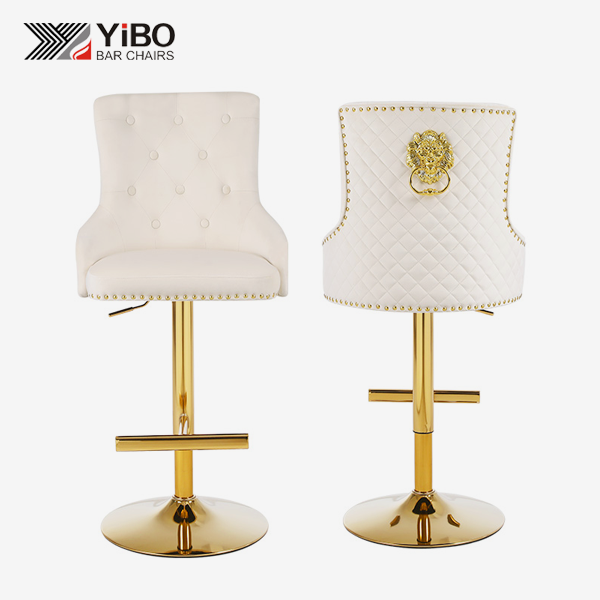
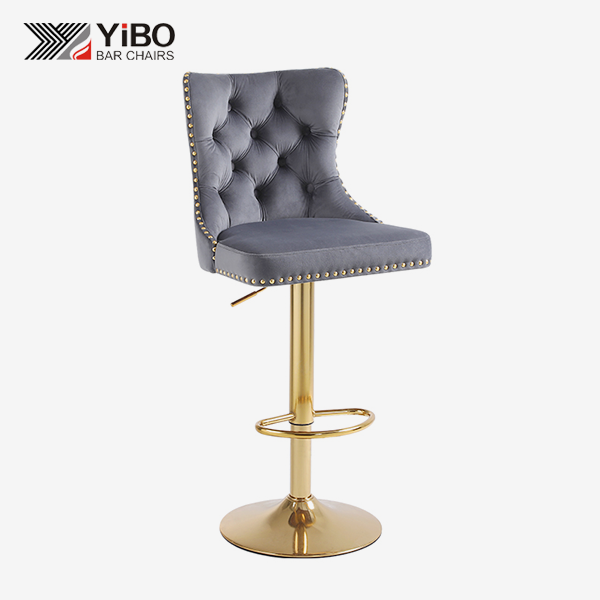
 (1)_1777442575043.jpg)
What height is a counter-height bar stool?
Have you ever purchased seating for your restaurant or home kitchen only to discover the stools are too short, leaving guests awkwardly reaching up to their counter, or too tall, causing knees to hit painfully underneath the surface? This frustrating scenario happens more often than you might think, and it stems from not understanding the crucial difference in dimensions for different seating types. Counter height bar stools typically feature seat heights ranging from 24 to 26 inches from the floor, designed specifically to pair with counter surfaces that measure between 35 and 40 inches tall. Understanding this essential measurement ensures your investment delivers the comfort, functionality, and professional appearance your space deserves, whether you're furnishing a commercial establishment or upgrading your home.
Understanding Counter Height Bar Stools Dimensions
When selecting seating solutions for your commercial or residential space, precision in measurements makes the difference between satisfied customers and constant complaints. Counter height bar stools are designed for surfaces that stand between 35 to 37 inches above floor level, with the stool seats measuring 24 to 27 inches from the ground. This specific configuration creates an optimal 10 to 12-inch clearance between the seat and the counter surface, providing sufficient legroom while maintaining an ergonomically correct posture for dining, working, or socializing. The importance of this measurement cannot be overstated, particularly in commercial settings where guest comfort directly impacts your business reputation and repeat patronage rates. The science behind these measurements relates directly to human ergonomics and comfort. When properly matched, counter height bar stools allow users to rest their feet comfortably on the footrest while maintaining a natural sitting position with their forearms resting easily on the counter surface. This positioning reduces strain on the back, shoulders, and neck during extended sitting periods, making these stools ideal for breakfast bars, kitchen islands, and casual dining counters in restaurants and cafes. Professional establishments particularly benefit from counter height bar stools adjustable models, which accommodate guests of varying heights and preferences, ensuring everyone enjoys a comfortable experience regardless of their physical stature.
-
Key Measurements for Counter Height Bar Stools
The technical specifications of counter height bar stools extend beyond simple seat height considerations. Professional-grade counter height bar stools feature multiple dimensional elements that contribute to overall comfort and functionality. The seat width typically ranges from 16 to 22 inches, with wider options providing more comfort for extended seating sessions. The depth of the seat cushion generally measures between 15 and 18 inches, offering adequate support without causing pressure points behind the knees. When specifying counter height bar stools adjustable mechanisms, the adjustment range commonly extends from approximately 22 inches to 30 inches, providing versatility for different counter heights within a single establishment or household. Footrest positioning represents another critical dimension often overlooked in the selection process. For counter height bar stools, the footrest should typically sit 7 to 10 inches below the seat surface, allowing users to rest their feet naturally without hunching or stretching. This placement promotes better circulation and reduces leg fatigue during prolonged sitting. The base diameter of counter height bar stools also matters significantly, particularly for swivel models, with most commercial-grade options featuring bases between 17 and 20 inches in diameter to ensure stability and prevent tipping hazards in busy environments where movement around the stools is constant.
-
Distinguishing Counter Height from Bar Height Stools
Many buyers confuse counter height bar stools with their taller counterparts, leading to costly purchasing mistakes that compromise both aesthetics and functionality. Bar height stools measure between 28 and 30 inches from floor to seat, designed for bar surfaces that typically stand 40 to 43 inches tall. This represents a significant six-inch difference in both stool and counter height compared to standard counter dimensions. Using bar height stools with counter-height surfaces creates an awkward sitting position where users' legs dangle uncomfortably, while placing counter height bar stools at a bar-height surface leaves guests hunched over, straining their backs and necks while eating or drinking. The functional implications of this height difference extend throughout commercial operations. In restaurant settings, bar height areas typically serve as socializing zones where guests stand or perch briefly for drinks and appetizers, while counter height spaces function as primary dining areas where customers expect to sit comfortably for full meals. Counter height bar stools adjustable models offer a practical solution for establishments with multiple seating areas at varying heights, allowing staff to relocate seating as needed to accommodate different service configurations during different times of day or for special events. The adjustability feature proves particularly valuable in multipurpose commercial spaces that transform from daytime cafes to evening wine bars, requiring seating flexibility without maintaining duplicate inventory.
Selecting the Right Counter Height Bar Stools for Your Space
Choosing appropriate seating involves more than simply matching measurements; it requires understanding how counter height bar stools will function within your specific environment and serve your particular needs. Commercial establishments face different considerations than residential buyers, though both benefit from applying similar selection criteria. The first consideration involves assessing your counter or table height precisely, measuring from the floor to the underside of the counter overhang rather than to the top surface. This ensures accurate clearance calculations that account for the actual sitting position rather than the counter's top edge, which may include decorative elements or raised edges that affect the functional height. Material selection significantly impacts both the appearance and longevity of counter height bar stools in commercial applications. Heavy-duty options featuring powder-coated steel frames provide exceptional durability in high-traffic restaurant and bar environments, resisting scratches, impacts, and the constant wear from repeated use. The upholstery choice matters equally, with commercial-grade fabrics and synthetic leathers offering superior stain resistance and easy cleaning compared to residential-grade materials. For establishments serving food and beverages, selecting counter height bar stools with removable, washable cushions or wipe-clean surfaces reduces maintenance labor while maintaining a fresh, appealing appearance that attracts customers and upholds sanitary standards required by health inspections.

-
Commercial Applications of Counter Height Bar Stools Adjustable
Counter height bar stools adjustable models deliver exceptional versatility in commercial environments where flexibility drives profitability. Modern restaurants increasingly incorporate adjustable height seating at kitchen counters and bar areas that serve multiple functions throughout the day. Morning breakfast service might utilize counter height positioning for comfortable dining, while evening cocktail hours benefit from raising the same stools to bar height for a more social, standing-room atmosphere. This adaptability maximizes the utility of each piece of furniture while reducing the storage space and capital investment required to maintain separate seating collections for different service styles and counter configurations. The adjustment mechanisms in professional-grade counter height bar stools adjustable models utilize pneumatic gas lifts certified for commercial duty cycles, capable of withstanding thousands of height changes without failure. These systems typically support weight capacities between 250 and 400 pounds, ensuring safe operation across diverse customer populations while maintaining smooth, reliable adjustment action. The adjustment range commonly spans from 24 inches at the lowest setting to 32 inches at maximum extension, effectively converting the same stool between counter height and bar height configurations. This functionality proves invaluable in venues hosting private events where room layouts change frequently, allowing rapid reconfiguration of seating arrangements without the labor and expense of moving large quantities of fixed-height furniture.
-
Ergonomic Considerations for Counter Height Bar Stools
Ergonomic design principles elevate counter height bar stools from simple seating to health-promoting furniture that enhances user comfort during extended periods. The seat contour significantly affects comfort levels, with molded or padded seats shaped to support the natural curve of the human body providing superior comfort compared to flat surfaces. High-density foam cushioning maintains its supportive properties through years of commercial use, resisting the compression and sagging that causes discomfort and presents an unprofessional appearance. The cushion thickness typically ranges from 2 to 4 inches in quality counter height bar stools, with thicker padding generally providing better comfort for longer sitting sessions common in restaurants and cafes where guests may linger over meals or conversations. Back support options range from completely backless designs that promote core engagement and allow easy entry and exit from any direction, to full-height backrests that provide lumbar support for extended dining sessions. Counter height bar stools with mid-height backrests offer a popular compromise, providing support without creating visual barriers that make spaces feel closed or crowded. The backrest angle matters considerably, with slight reclines of 5 to 10 degrees from vertical promoting relaxation without encouraging an overly casual posture inappropriate for dining. Armrests add another dimension of comfort, though they also increase the overall width of counter height bar stools and require additional clearance space under counter overhangs, potentially reducing the number of seats that fit in a given space.

Material Quality and Construction Features
The construction quality of counter height bar stools directly determines their service life, safety performance, and total cost of ownership in commercial applications. Professional-grade models utilize heavy-gauge steel tubing for frames, typically 1.2mm to 1.5mm wall thickness, providing superior strength compared to the thinner materials common in residential-grade products. The base construction deserves particular attention, with commercial counter height bar stools featuring reinforced welded connections rather than bolted assemblies that can loosen over time. The base diameter affects stability significantly, with larger footprints reducing the risk of tipping while potentially limiting how closely stools can be positioned, an important consideration in establishments maximizing seating capacity within limited floor space. Surface finishes protect counter height bar stools against the demanding conditions of commercial use. Powder-coating processes create durable, chip-resistant surfaces on metal components that withstand repeated cleaning with commercial sanitizing solutions without degrading or discoloring. Chrome-plated finishes offer an attractive high-shine appearance popular in contemporary design schemes, though they require more maintenance to prevent water spots and fingerprints in high-touch areas. For upholstered elements, commercial-grade vinyl and synthetic leather materials resist staining from food and beverage spills while providing easy cleaning with simple damp-wiping, crucial in maintaining sanitary conditions that meet health department standards and customer expectations for cleanliness.
-
Footrest Design and Functionality
The footrest configuration on counter height bar stools significantly influences user comfort yet often receives inadequate consideration during the selection process. Circular ring footrests remain the most common design, providing 360-degree foot placement that accommodates users regardless of their seating orientation or leg-crossing preferences. The footrest diameter typically measures 14 to 18 inches for counter height bar stools, offering adequate surface area for comfortable foot placement without interfering with the stool base or creating trip hazards. The footrest positioning at approximately 7 to 10 inches below the seat allows natural leg positioning that promotes circulation and reduces fatigue, particularly important in commercial settings where servers and bartenders may spend extended periods on these stools during preparation work or breaks. Bar-style footrests featuring horizontal rails provide an alternative design that offers a more industrial or traditional aesthetic while delivering equivalent functionality. These configurations typically feature four rails positioned around the stool's perimeter, creating a geometric pattern that adds visual interest while providing multiple foot placement options. The rail thickness affects both comfort and durability, with 0.5-inch to 0.75-inch diameter tubing offering sufficient surface area for comfortable foot placement without becoming unwieldy or visually heavy. Counter height bar stools adjustable models must incorporate footrests that maintain proper positioning throughout the height adjustment range, typically achieved through mechanical linkages that automatically reposition the footrest as the seat moves, ensuring consistent ergonomic relationships regardless of the selected height setting.
Maintenance and Longevity of Counter Height Bar Stools
Proper maintenance practices extend the service life of counter height bar stools while preserving their appearance and functionality throughout years of commercial use. Daily cleaning protocols should include wiping all surfaces with appropriate cleaning solutions that remove food residue, beverage spills, and body oils without damaging finish materials. For upholstered counter height bar stools, prompt attention to spills prevents staining and material degradation, with most commercial-grade upholstery responding well to mild soap and water cleaning when addressed quickly. Metal components benefit from periodic inspection for signs of rust or corrosion, particularly in coastal environments or locations with high humidity, where protective finishes may degrade more rapidly and require touch-up treatment to prevent structural deterioration. Mechanical components in counter height bar stools adjustable models require specific maintenance attention to ensure continued smooth operation and safety. Gas lift cylinders should be inspected regularly for any signs of leaking hydraulic fluid, unusual resistance during height adjustment, or failure to hold selected heights under load. Swivel mechanisms benefit from occasional lubrication with appropriate products that reduce friction and noise without attracting dust and debris that can cause premature wear. All connection points, including bolts, welds, and attachment hardware, should be checked periodically and tightened as needed, with particular attention to high-stress areas like seat-to-post connections and base attachments where loosening can compromise structural integrity and create safety hazards for users.
-
Warranty Considerations and Replacement Planning
Commercial furniture purchases require careful consideration of warranty coverage and expected replacement cycles to optimize total cost of ownership. Quality counter height bar stools from reputable manufacturers typically carry warranties ranging from two to five years covering defects in materials and workmanship, though these warranties often exclude damage from misuse, accidents, or normal wear. Understanding warranty terms helps establish realistic expectations about product longevity and the manufacturer's confidence in their construction quality. For commercial applications involving heavy daily use, even high-quality counter height bar stools may require replacement or refurbishment after three to seven years of service, depending on usage intensity, maintenance quality, and original construction quality. Establishing a replacement schedule based on realistic service life expectations helps businesses budget appropriately and avoid the poor impression created by worn, damaged seating. Many commercial operators find that rotating counter height bar stools between high-traffic and lower-traffic locations extends the useful life of their seating inventory while ensuring that prime customer-facing areas always feature furniture in excellent condition. For establishments with multiple locations or ongoing expansion plans, standardizing on specific counter height bar stools models simplifies maintenance, reduces inventory complexity, and allows for gradual fleet replacement without creating mismatched appearances that detract from carefully cultivated brand aesthetics. This strategic approach to furniture management optimizes both initial investment and long-term operating costs while maintaining the high-quality appearance that attracts and retains customers.
Customization Options for Counter Height Bar Stools
Modern manufacturing capabilities enable extensive customization of counter height bar stools to match specific design visions and brand identities. Upholstery options extend far beyond basic black vinyl, with commercial fabric libraries offering hundreds of colors, patterns, and textures that coordinate with existing décor or establish distinctive brand signatures. Custom embroidery or embossing can incorporate logos, monograms, or decorative patterns directly into seat backs or cushions, creating unique branding touchpoints that reinforce establishment identity with every seating interaction. For venues with strongly defined color schemes or specific aesthetic requirements, custom-matched upholstery ensures perfect coordination with surrounding design elements, creating cohesive visual environments that enhance the overall guest experience. Frame finish customization allows counter height bar stools to integrate seamlessly with architectural features and existing furniture collections. Beyond standard black, chrome, and brushed metal finishes, custom powder-coating services can match virtually any color specification, enabling perfect coordination with brand colors or specific design palettes. Specialty finishes like antique brass, oil-rubbed bronze, or custom patinas create distinctive appearances that elevate ordinary seating into design statements reflecting establishment character and attention to detail. For counter height bar stools adjustable models, even the gas lift cylinders can be finished to match frame colors, eliminating the industrial appearance of standard chrome cylinders that may clash with certain design aesthetics and ensuring visual consistency throughout every element of the furniture piece.
-
Specialized Features for Enhanced Functionality
Advanced counter height bar stools incorporate specialized features addressing specific operational needs in commercial environments. Antimicrobial upholstery treatments inhibit bacterial growth on seating surfaces, particularly valuable in healthcare facilities, educational institutions, and food service establishments where sanitation represents both a regulatory requirement and customer expectation. These treatments integrate into the fabric or vinyl material during manufacturing, providing long-lasting protection that withstands repeated cleaning without diminishing effectiveness. For outdoor or semi-outdoor applications, weather-resistant counter height bar stools feature rust-proof aluminum or stainless steel construction with UV-stabilized upholstery materials that resist fading, cracking, and degradation from sun exposure and moisture, extending service life in challenging environmental conditions. Memory foam seating represents a premium upgrade option in counter height bar stools that dramatically enhances comfort for extended sitting sessions. This advanced material conforms to individual body shapes, distributing weight evenly across the seat surface and reducing pressure points that cause discomfort during long meals or work sessions. The material's responsive nature allows it to adapt to different users throughout the day, returning to its original shape between uses and maintaining consistent support properties through thousands of sit-stand cycles. Counter height bar stools adjustable models with memory foam seating combine the versatility of height adjustment with premium comfort, creating seating solutions that accommodate diverse user preferences and physical requirements while maintaining professional appearance and durability standards essential for commercial applications.
Conclusion
Selecting appropriate counter height bar stools requires understanding the standard 24-26 inch seat height specification and how this measurement coordinates with typical counter surfaces of 35-40 inches. Proper height matching ensures comfortable, functional seating that enhances user experience in both commercial and residential applications.
Cooperate with Anji Yibo Furniture Co., Ltd.
Partner with Anji Yibo Furniture Co., Ltd., your trusted China counter height bar stools manufacturer with 14 years of specialized expertise. As a leading China counter height bar stools factory and China counter height bar stools supplier, we deliver High Quality counter height bar stools that combine ergonomic design with exceptional durability. Our counter height bar stools for sale feature competitive counter height bar stools price points backed by comprehensive warranties and 24-hour professional support. We offer OEM/ODM customization services for China counter height bar stools wholesale orders, with space-saving packaging and efficient international shipping. Located in Anji, the hometown of chairs, our 6000-square-meter facility produces innovative seating solutions exported to 70 countries worldwide. Contact our experienced sales team at yb@ajyibo.com for quotes, specifications, and samples that demonstrate our commitment to quality and customer satisfaction.
References
1. "Counter Stools vs Bar Stools: Understanding the Key Differences" - National Restaurant Association Educational Foundation
2. "Ergonomic Seating Standards for Commercial Furniture" - Business and Institutional Furniture Manufacturers Association (BIFMA)
3. "Kitchen Counter Height Guidelines and Best Practices" - National Kitchen and Bath Association Design Standards
4. "Commercial Furniture Selection and Maintenance Manual" - Hospitality Industry Furniture Procurement Council